

Car thieves only need one little port.And drivers are paying for it.
- Cars stolen in under a minute
- Theft tools sold online
Meet
Port Guard
We lock the port thieves plug into.
Meet
Learn morePort Guard
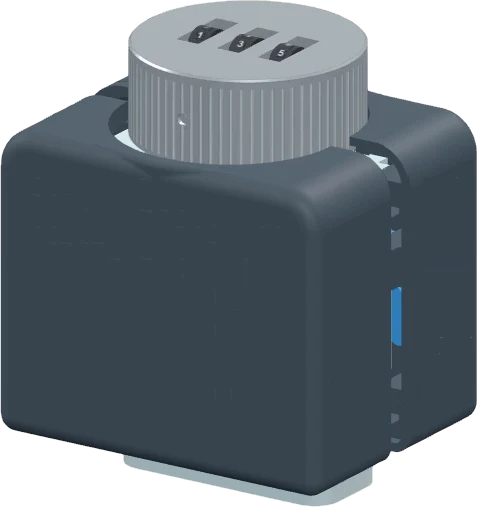
A pocket-sized lock that seals your car’s OBD port , keeps thieves from programming a new key , and saves you and your insurer money .
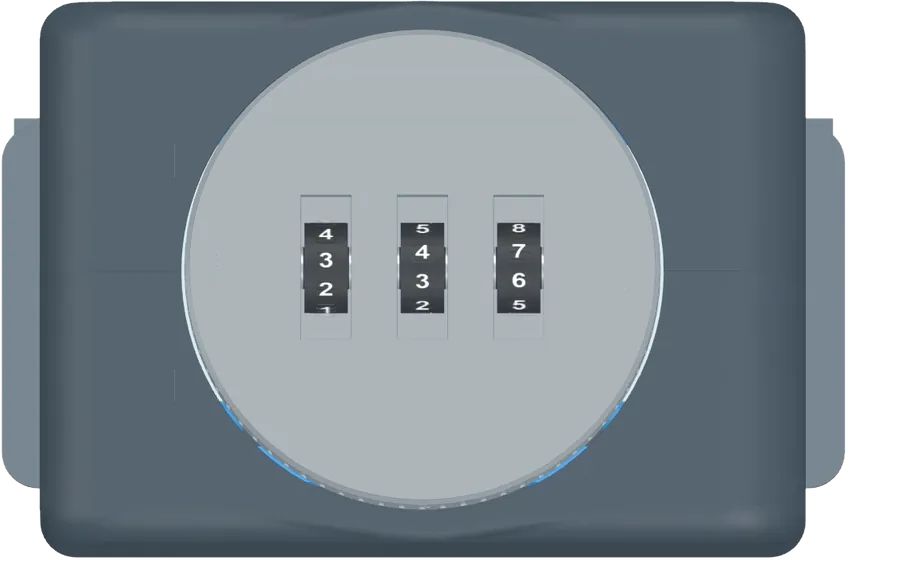
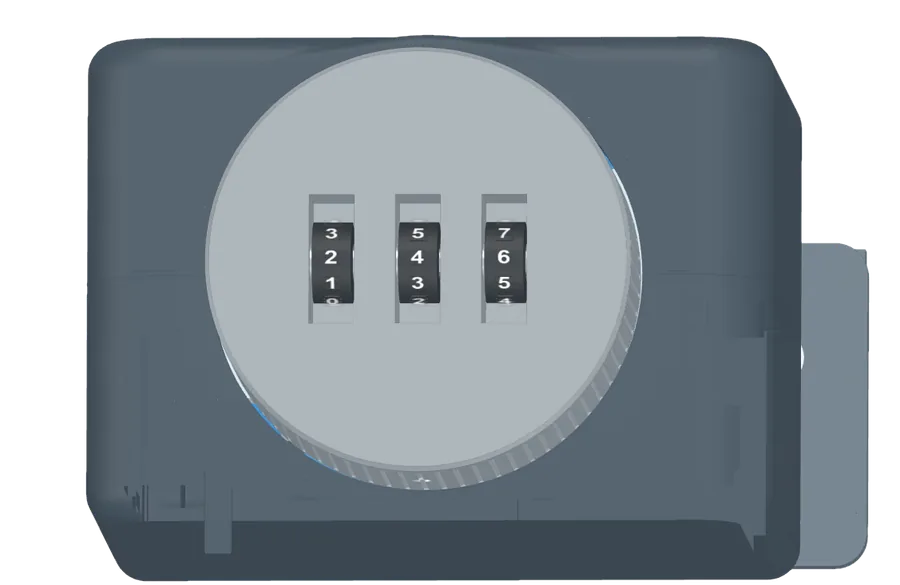
Port Guard plugs in by hand and locks with a code only you know.
No battery, no app, no wiring. Fits 1996 and newer cars and light trucks. Coming soon.
Better protection
starts with Port Guard:
Thieves plug into the diagnostic port, program a new key and drive off. Port Guard locks that port, so your car stays yours: no hunting for a replacement, no weeks without a ride.
A stolen car means a deductible, rental cars and rideshares, time off work, and a claim on your record. Stopping the theft keeps that money in your pocket.
The average whole-vehicle theft claim was $53,217. Every theft prevented is a claim that never gets filed, and a policyholder who stays happy.
No more checking the driveway. Port Guard works around the clock with no battery to die and nothing to charge or update.
Without Port Guard:
A thief codes a new key in minutes and drives away. You’re left with a police report, a deductible, and days without a car.
The real cost of a stolen car
289M
vehicles on U.S. roads share the same standard diagnostic port
Source: S&P Global Mobility, May 2025$53,217
average insurer payment per whole-vehicle theft, 2022–24 models
Source: HLDI report WT-24, May 2025Every theft Port Guard helps prevent is a car that stays with its owner and a claim that never gets paid.
Three steps to keep your car:
- 1
Find your OBD port
It’s under the dashboard, usually near the steering column, on every 1996 and newer car and light truck.
- 2
Plug in and set your code
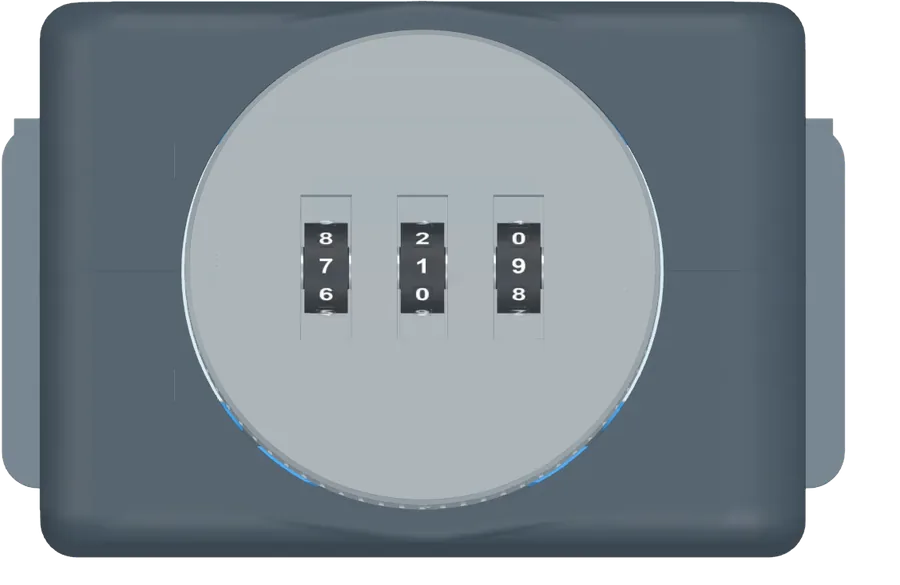
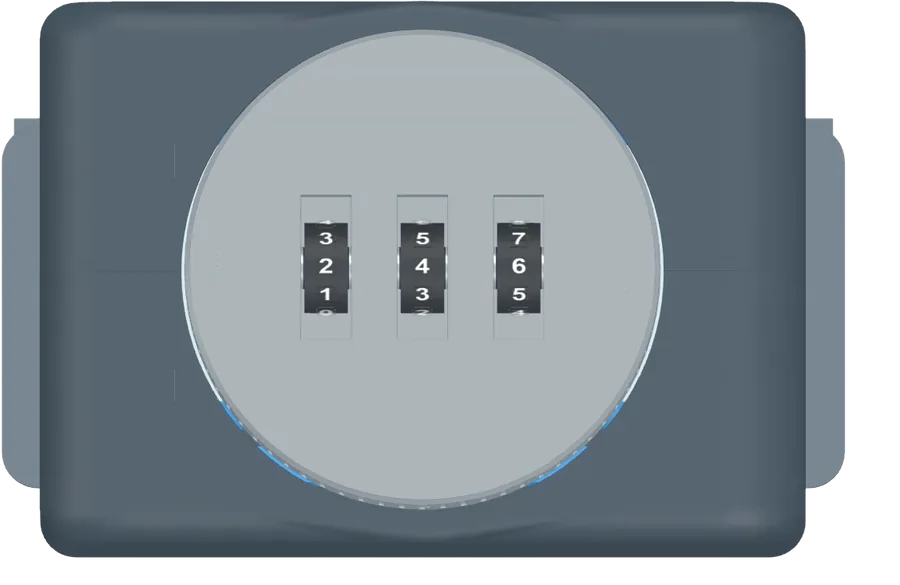
Push Port Guard onto the port and set a code only you know. It takes seconds and no tools.
- 3
Keep your car
Thieves can’t program a key through a locked port. Need service? Dial your code and lift it off.
Only your code opens it.Thieves leave empty-handed.
Turn to lock. Turn to release.
Built by a team that
takes car theft personally.





Protection for one car or ten thousand
Tell us what you’re protecting and we’ll show what Port Guard saves you.
Who Port Guardhelps protect
Vehicle owners
Insurers & carriers
Fleets
Dealerships
Retail & online
Police departments
Got questions?
We’ve got answers
Most of what a car theft costs you never shows up on the sticker: the insurance deductible, rental cars and rideshares, time off work, payments on a car you no longer have, and a claim that can follow you at renewal.
Port Guard helps prevent the theft in the first place, so none of those costs start.
Insurers paid an average of $53,217 per whole-vehicle theft on 2022–24 models (HLDI, May 2025). A theft that never happens is a claim that never gets paid, and a policyholder who doesn’t shop for a new carrier.
Many thefts start under the dashboard: a thief plugs a key programmer into the OBD port and codes a new key. Port Guard locks that port behind a code only you know.
If someone forces it off, the port is left unusable for a key programmer until a shop repairs it. Your car keeps running.
Port Guard is still in prototype testing, so we don’t make tamper-proof claims yet, and no product can stop every theft.
No. Port Guard has no electronics and never talks to your car’s computer. Your car starts and drives normally with it locked on.
Dial your code and lift it out. The port is ready to use.
Port Guard is designed for the standard OBD-II port found on cars and light trucks sold in the U.S. from 1996 on.
Port Guard is in development now. Join the waitlist and we’ll let you know as launch gets close.
Insurers, fleets, dealerships and retailers can reach us about programs today.